

Gas Hot Water vs Electric Hot Water for Melbourne Homes
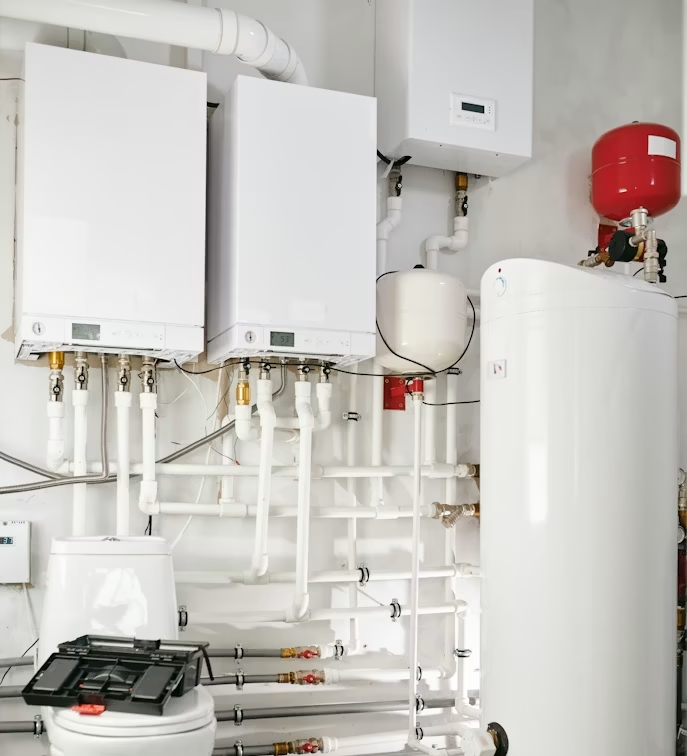
Hot water isn’t something you think about until it runs out mid-shower in July. In Melbourne, where winter mornings are cold and energy prices continue to climb, the type of hot water system you install has a direct impact on comfort, running costs and reliability. Choosing between gas and electric shapes how your household functions every day.
How Gas and Electric Hot Water Systems Work
Gas and electric systems differ in how they generate and deliver heat to your taps.
Gas Hot Water Systems
A gas system uses a burner powered by natural gas. In a storage configuration, water is heated inside an insulated tank and kept ready for use. In a continuous flow (or instantaneous) system, water is heated as it moves through the unit, providing an endless supply without the need for a storage tank.
Electric Hot Water Systems
These systems rely on an internal heating element within a storage tank. The element heats the water, which is then stored until needed. Some electric systems operate on off-peak tariffs, reheating during designated lower-cost periods to reduce energy bills.
The main distinction is recovery speed. Gas systems generally reheat faster, which is a significant factor during high-demand periods in larger households.
Costs: Installation, Running Expenses and Long Term Value
Electric systems are usually less expensive to install, particularly in homes without an existing gas connection. The units are straightforward and often involve fewer infrastructure upgrades.
Gas systems can involve higher initial costs, especially if pipework or meter upgrades are required. However, for households with substantial daily usage, gas can reduce ongoing energy expenses in Melbourne. Faster recovery rates also mean less strain during back-to-back showers or heavy appliance use.
For a single occupant or a couple with moderate demand, an electric storage system may remain cost-effective. For larger homes, gas often delivers stronger long-term value despite the higher upfront investment.
Which Hot Water System Suits Your Household?
System choice should reflect how your home actually uses hot water.
A family of four using multiple bathrooms and running appliances daily will benefit from faster recovery and consistent output, often favouring gas or continuous flow units. If you are unsure which capacity you need, you can [view our hot water system options](Internal Link) to compare specific models.
Apartments or smaller dwellings with predictable usage patterns may function comfortably with electric storage. Peak usage times matter. If most demand occurs in short windows, such as mornings and evenings, recovery speed becomes critical.
Existing infrastructure also plays a role. If gas is already connected, installation is more straightforward. Without it, electric may avoid unnecessary plumbing costs unless you are undergoing a [full home renovation](Internal Link).
Lifespan, Maintenance and Environmental Impact
Both gas and electric storage systems typically operate for 8-12 years, depending on water quality and maintenance. Continuous flow gas systems can exceed this range because they do not store water in a tank prone to corrosion.
Gas systems require servicing of burners and gas components to maintain safety. Electric systems may require element or thermostat replacement over time. In storage models, the tank itself is often the first major failure point.
Environmental impact depends on the energy source and efficiency rating. High-efficiency models in both categories reduce consumption. In Melbourne, tariff structures and insulation quality can influence overall performance more than fuel type alone.
Gas or Electric Hot Water: What Do Melbourne Plumbers Recommend?
There isn’t a universal answer to the gas hot water vs electric hot water debate. The right system depends on property layout, gas access, household size and budget.
At Prowater Plumbing, recommendations are based on practical assessment, not preference. Larger households with consistent demand often benefit from gas or continuous flow systems. Smaller homes without gas infrastructure may find electric more practical.
A considered decision now avoids premature replacement later. If you’re weighing options, contacting our team can provide clarity before committing to installation.